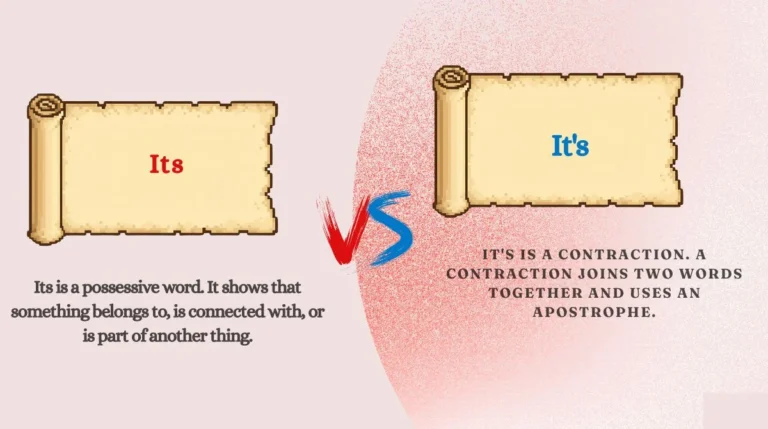
Its or It’s: Easy Difference, Rules, Examples & Practice (2026)
“Its” and “it’s” look almost the same, and they sound exactly the same when we speak. That is why many English learners mix them up. … Read more

Written by: Evan Rellmont
Published on:

Learn the difference between commonly confused English words with simple explanations, clear examples, and easy-to-follow tips. Explore word meanings, spelling differences, correct usage, and common mistakes to improve your English grammar, vocabulary, writing, and everyday communication. Perfect for beginners, students, and anyone who wants to use English words correctly and confidently.
“Its” and “it’s” look almost the same, and they sound exactly the same when we speak. That is why many English learners mix them up. … Read more
Written by: Evan Rellmont
Published on:
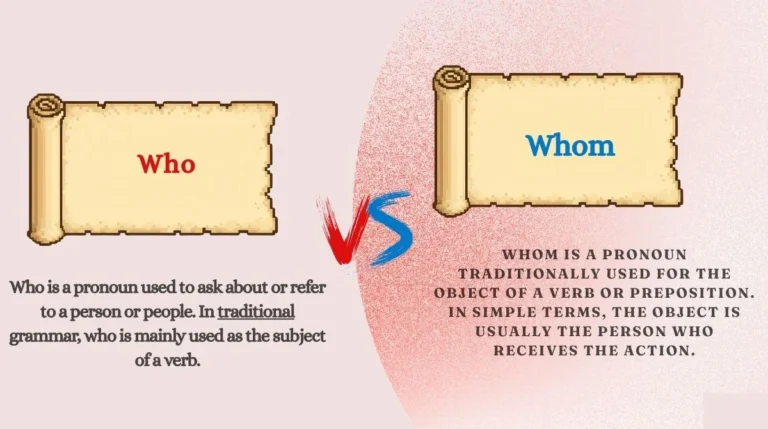
“Who” and “whom” are two small words that cause a surprising amount of trouble. Even native English speakers sometimes pause when they need to choose … Read more
Written by: Evan Rellmont
Published on:
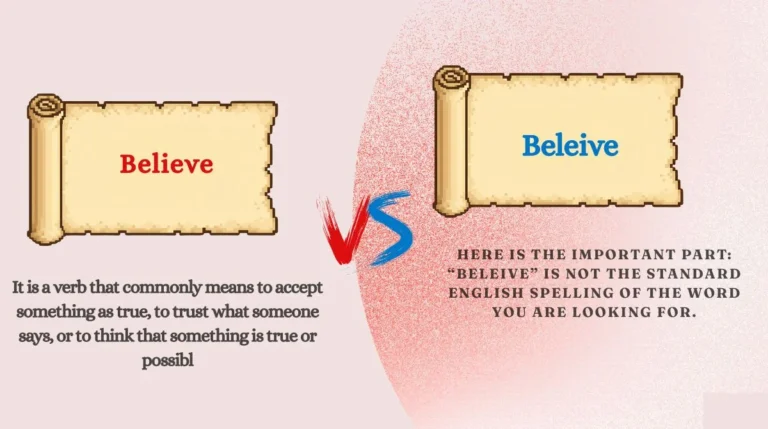
Have you ever typed “beleive” and then stopped because it suddenly looked wrong? You are not alone. Believe is a very common English word, but … Read more
Written by: Evan Rellmont
Published on:
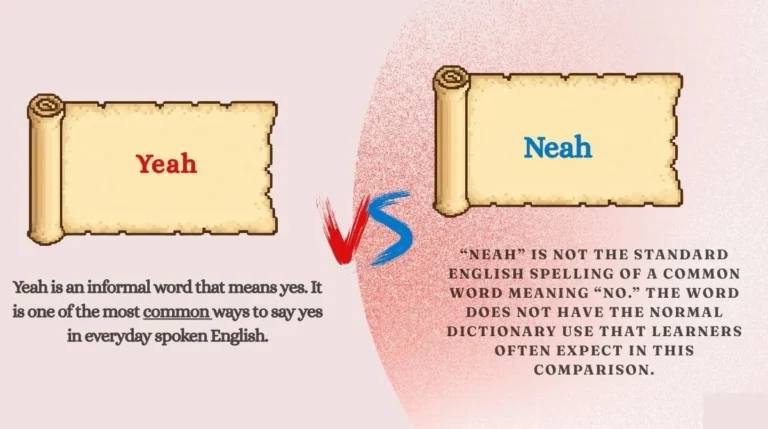
English has many words that sound almost the same when people speak quickly. This can make spelling and word choice confusing, especially for beginners and … Read more
Written by: Evan Rellmont
Published on:
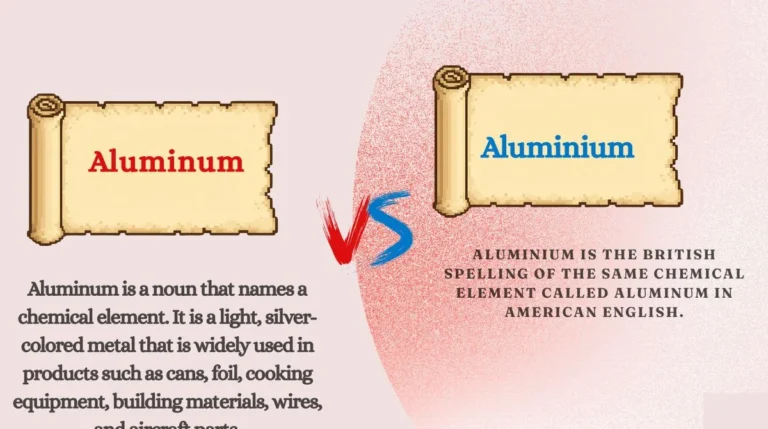
Have you ever written aluminum in one place and aluminium in another and wondered which one is actually correct? You are not alone. This is … Read more
Written by: Evan Rellmont
Published on:
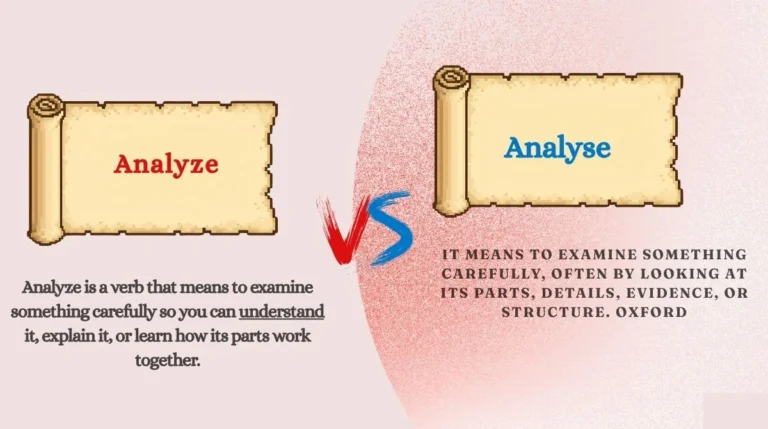
Have you ever written analyze and wondered whether you should write analyse instead? You are not alone. Many English learners notice both spellings in books, … Read more
Written by: Evan Rellmont
Published on:
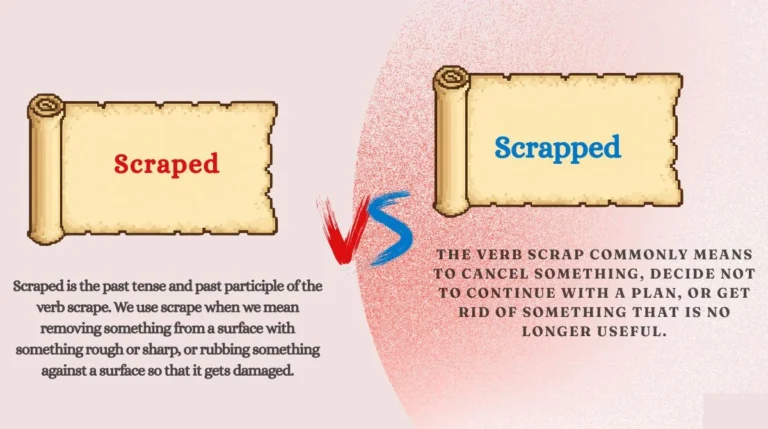
Scraped and scrapped look almost the same, but they do not mean the same thing. The only visible difference is an extra p, yet that … Read more
Written by: Evan Rellmont
Published on:
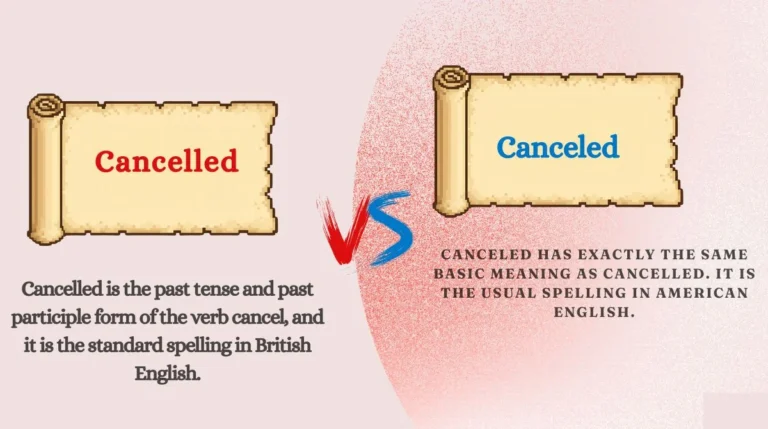
Have you ever written cancelled in an English sentence and wondered whether you should have written canceled instead? You are not alone. This is one … Read more
Written by: Evan Rellmont
Published on:
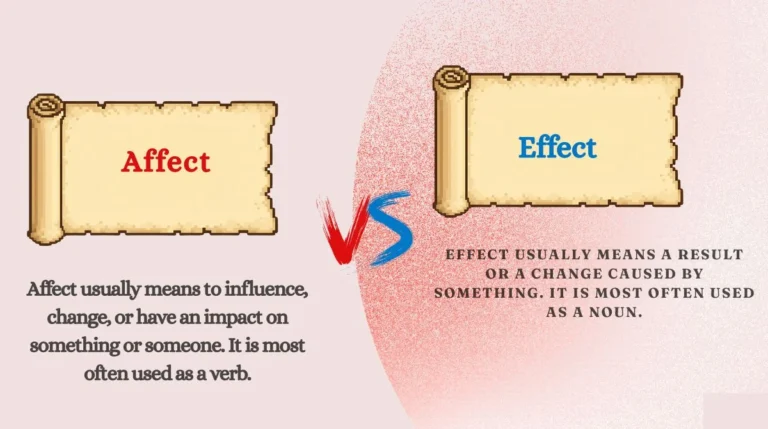
“Affect” and “effect” are two of the most commonly confused words in English. They look and sound similar, and both are connected to the idea … Read more
Written by: Evan Rellmont
Published on:
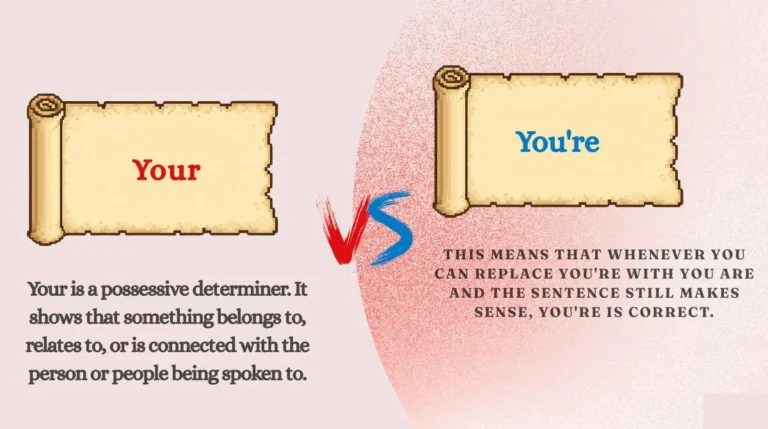
English has many words that sound the same but have completely different meanings. Your and you’re are two of the most common examples. They sound … Read more
Written by: Evan Rellmont
Published on: