Lier or Liar? Which Is Correct in English? Meaning, Spelling, and Examples (2026)
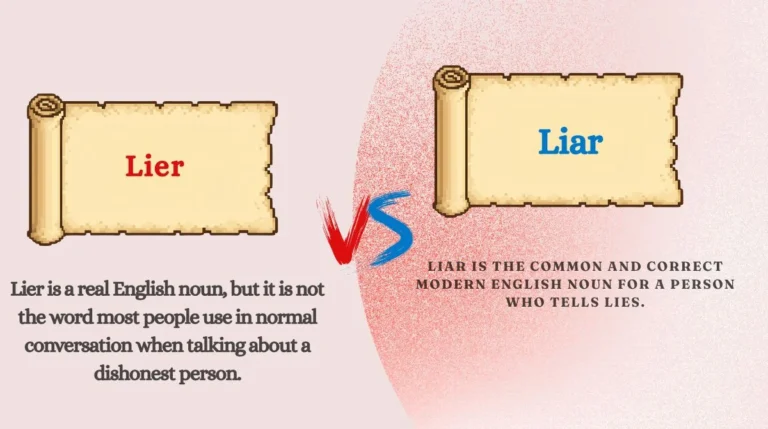
Have you ever written “lier” when you meant “liar”? You are not alone. These two words look almost the same, sound very similar, and both … Read more

Learn the difference between commonly confused English words with simple explanations, clear examples, and easy-to-follow tips. Explore word meanings, spelling differences, correct usage, and common mistakes to improve your English grammar, vocabulary, writing, and everyday communication. Perfect for beginners, students, and anyone who wants to use English words correctly and confidently.

Have you ever written “lier” when you meant “liar”? You are not alone. These two words look almost the same, sound very similar, and both … Read more

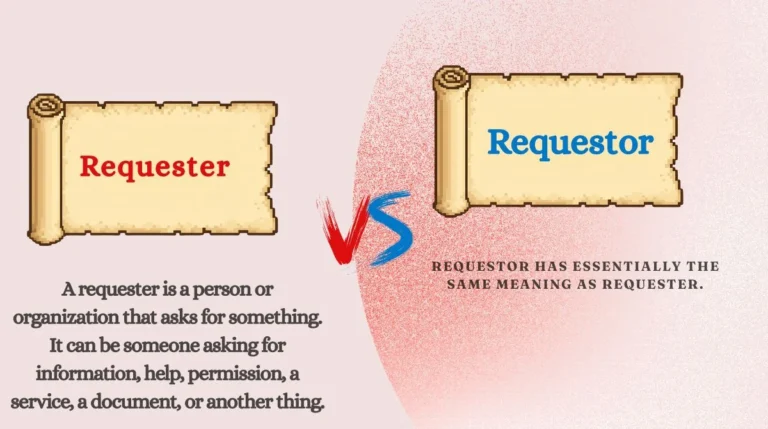
English has many words that look almost the same but make learners stop and wonder which spelling is correct. Requester and requestor are a good … Read more

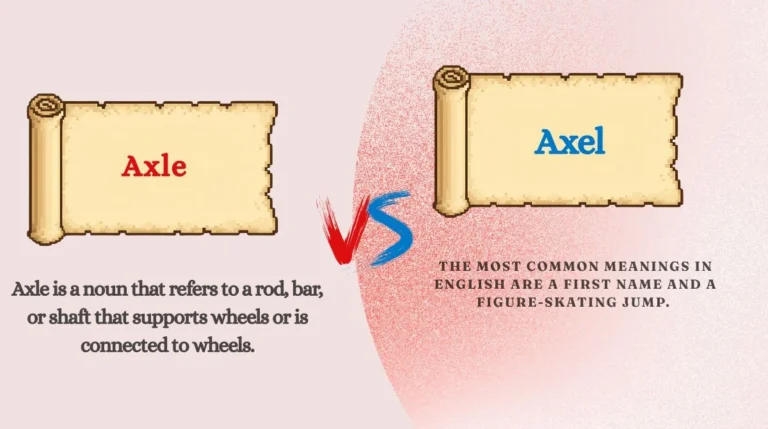
Axle vs Axel is a common spelling problem because the two words look almost the same and, in many forms of English, they sound the … Read more

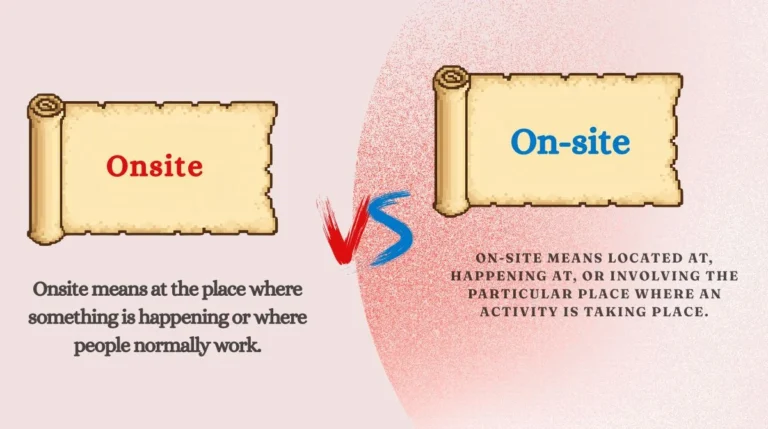
Have you ever stopped while writing an email and wondered whether you should write onsite or on-site? You are not alone. Even fluent English speakers … Read more

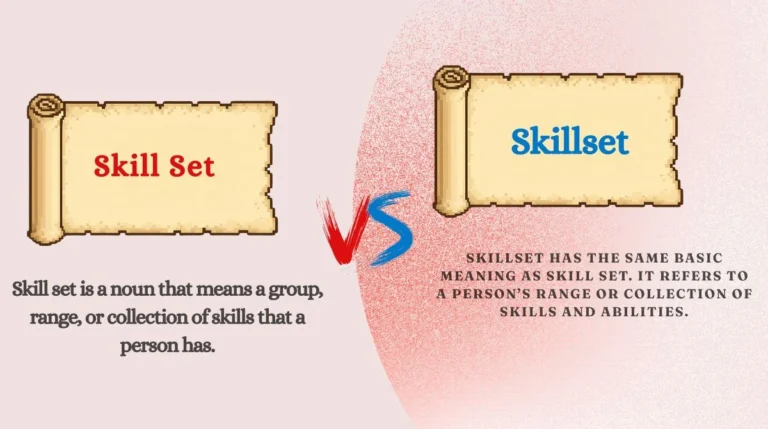
English has many word combinations that look simple but can still cause confusion. Skillset, skill set, and skill-set are a good example. You may see … Read more

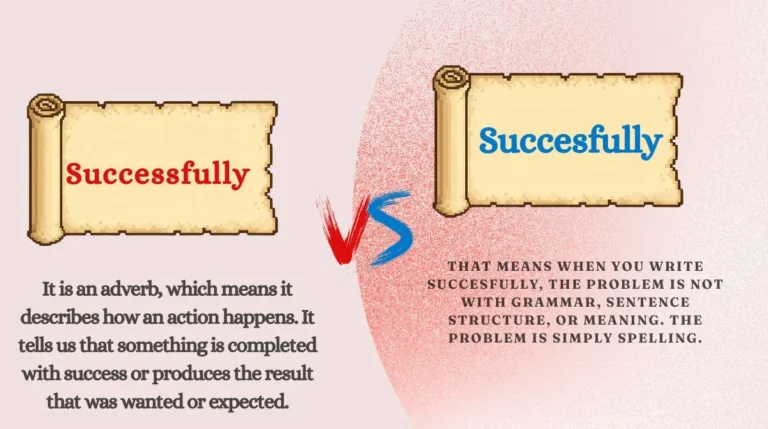
Have you ever typed “succesfully” and stopped because it did not look quite right? You are not alone. This is a very common spelling mistake, … Read more

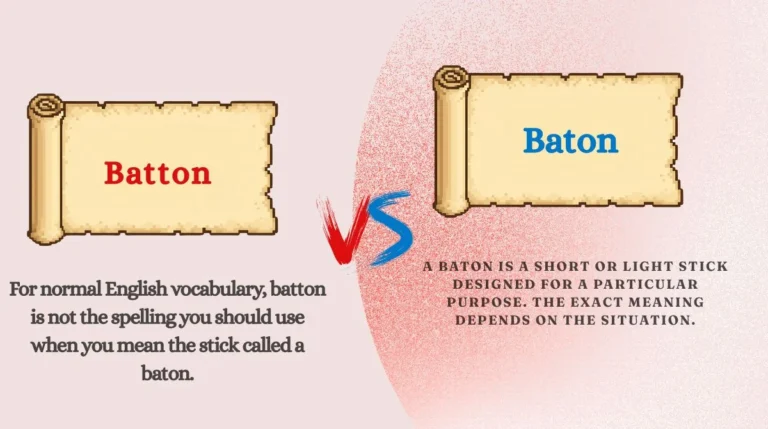
Have you ever written “batton” and then wondered whether you needed one t or two? You are not alone. English has many words that sound … Read more

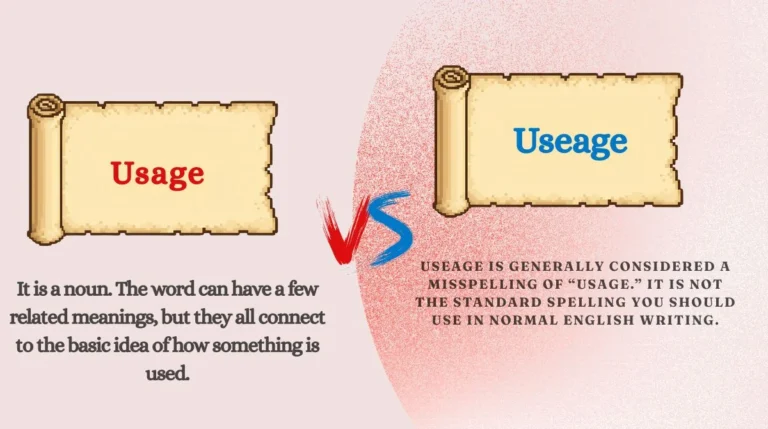
Have you ever written a sentence and suddenly stopped because you were not sure whether to write “usage” or “useage”? You are not alone. This … Read more

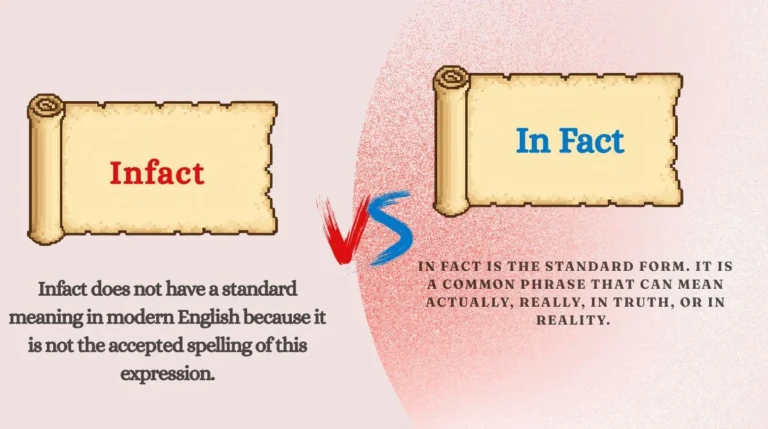
Many English learners are confused about whether to write infact or in fact. The two forms may sound almost identical when we speak, so it … Read more

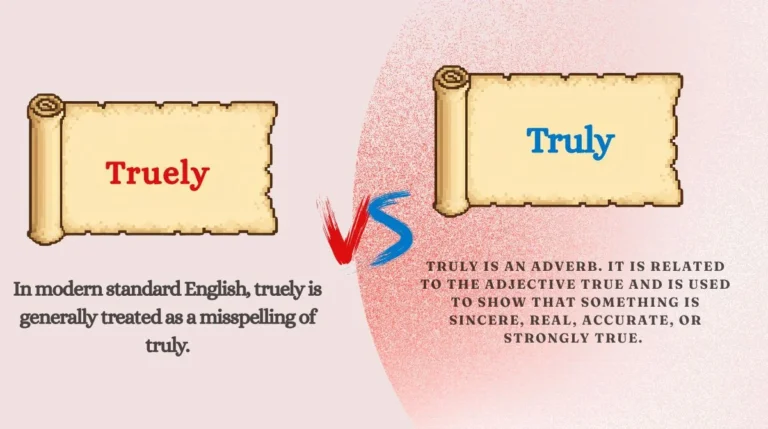
Have you ever typed “truely” and then stopped to wonder whether it should be “truly”? You are not alone. This is one of those small … Read more