Alternatively or Alternately: What’s the Difference? A Simple Guide for 2026
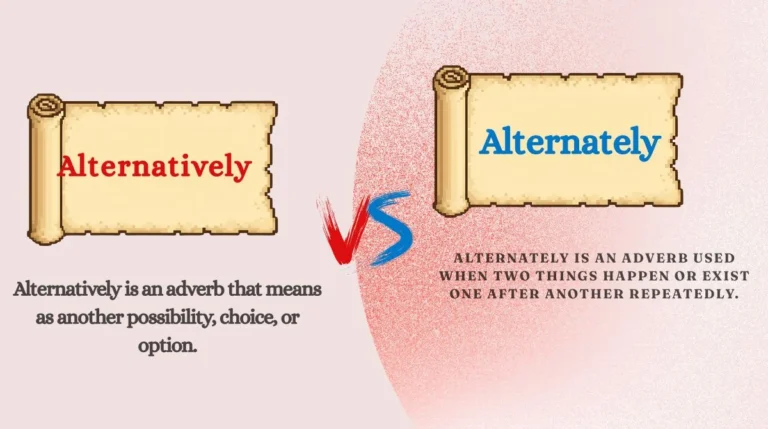
English has many words that look almost identical but do very different jobs. Alternatively and alternately are a perfect example. They have the same beginning, … Read more

Learn the difference between commonly confused English words with simple explanations, clear examples, and easy-to-follow tips. Explore word meanings, spelling differences, correct usage, and common mistakes to improve your English grammar, vocabulary, writing, and everyday communication. Perfect for beginners, students, and anyone who wants to use English words correctly and confidently.

English has many words that look almost identical but do very different jobs. Alternatively and alternately are a perfect example. They have the same beginning, … Read more

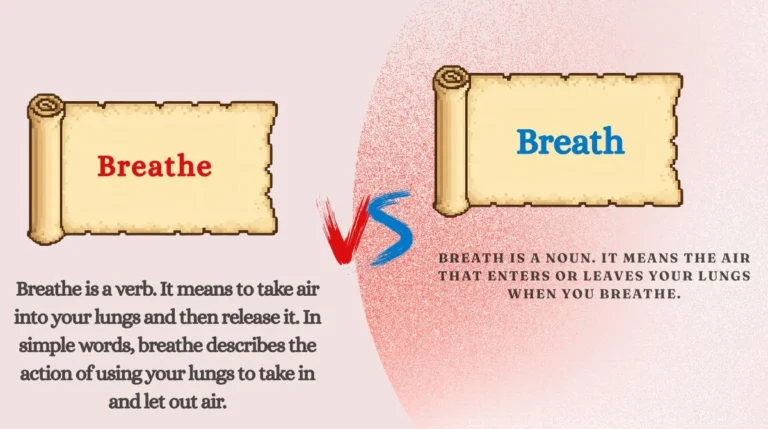
“Breathe” and “breath” are two English words that look almost the same, but they do not have the same meaning or pronunciation. This small difference … Read more

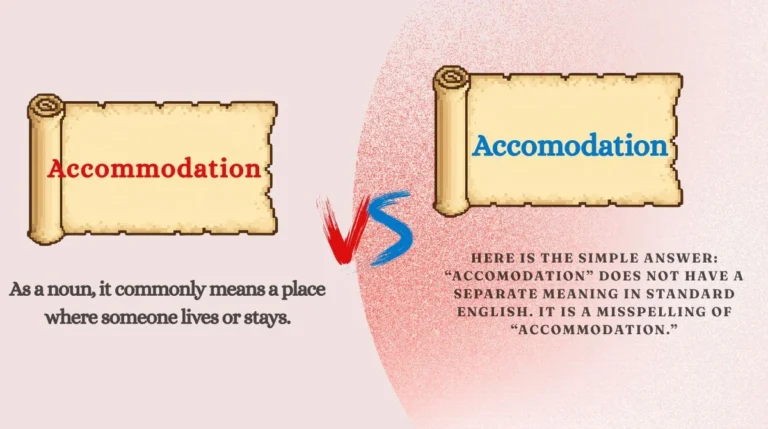
English has many words that look simple but are surprisingly easy to spell incorrectly. Accommodation is one of them. A very common mistake is writing … Read more

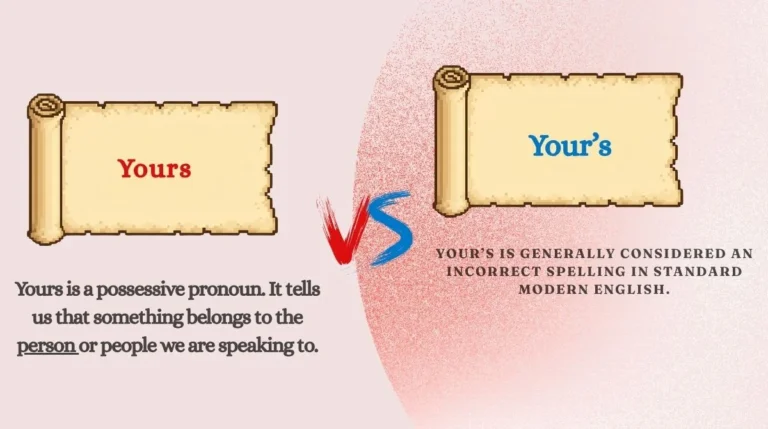
Have you ever stopped while writing an email, message, or school assignment and wondered whether the correct word is “yours” or “your’s”? You are not … Read more

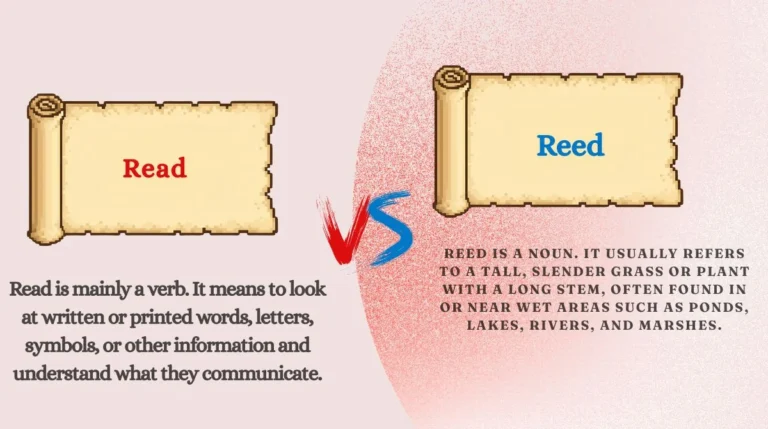
English has many words that sound exactly the same but have completely different meanings and spellings. Read and reed are a good example. They are … Read more

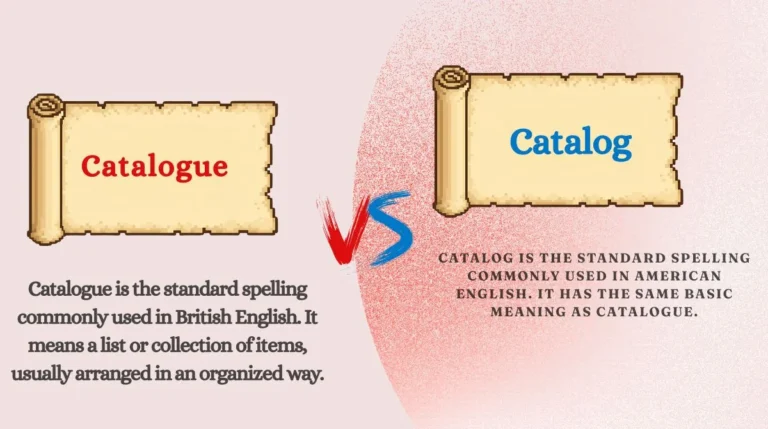
Have you ever written catalogue and wondered whether you should have written catalog instead? Or perhaps you saw one spelling in a British book and … Read more

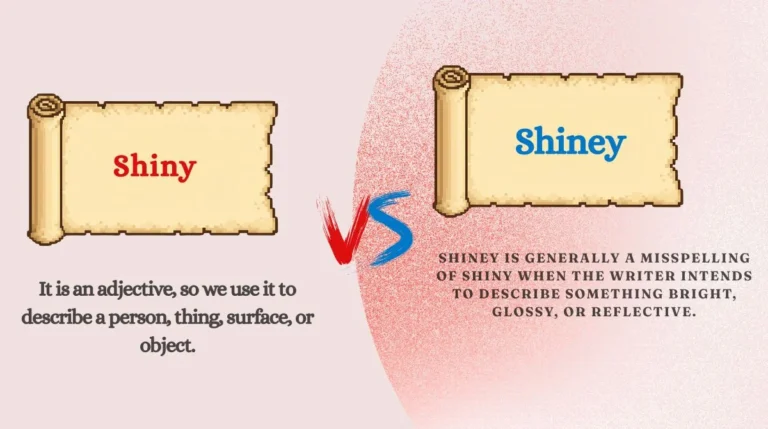
Have you ever typed “shiney” and then wondered whether it should actually be “shiny”? You are not alone. This is a very common spelling problem … Read more

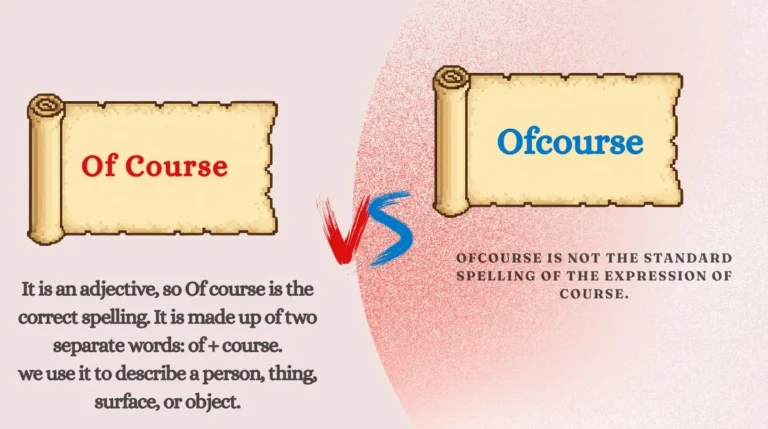
Many English learners are unsure whether to write “of course” or “ofcourse.” The two forms look almost the same, and when you hear them in … Read more

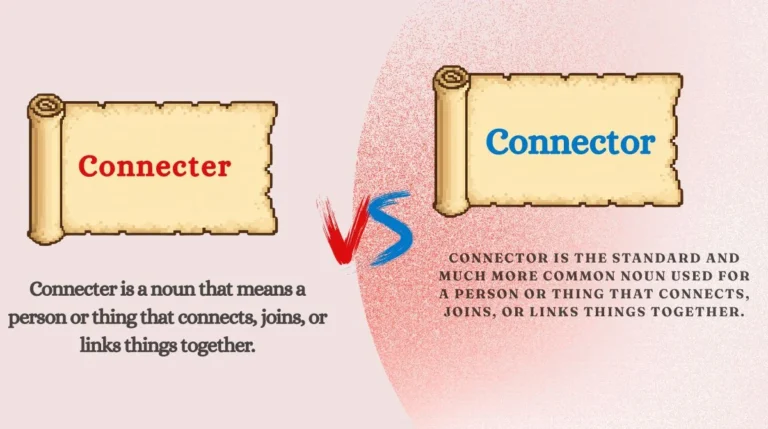
Choosing between connecter and connector can be confusing. Both spellings look natural because they come from the verb connect, and English often forms nouns by … Read more

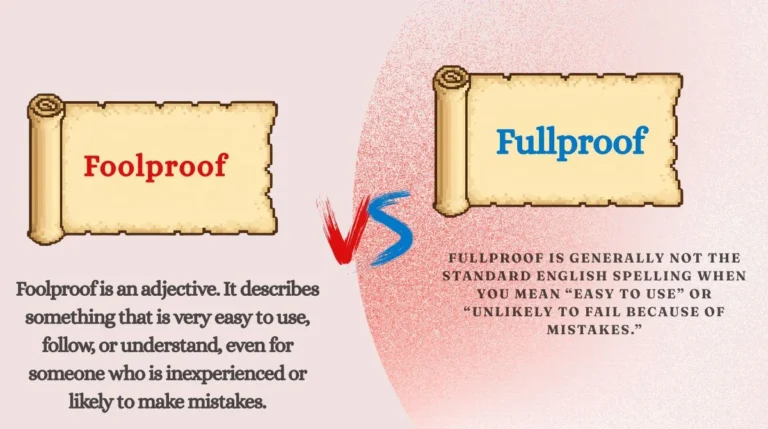
Have you ever seen the word foolproof and wondered whether it should actually be written as fullproof? You are not alone. This is a common … Read more