Suppose or Supposed? Learn the Difference in Simple English (2026)
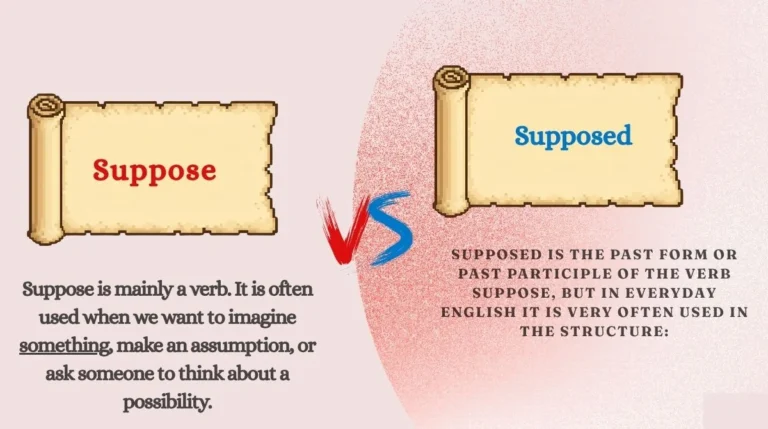
Many English learners confuse suppose and supposed because the two words look almost the same and are closely related. The difference is only one small … Read more

Learn the difference between commonly confused English words with simple explanations, clear examples, and easy-to-follow tips. Explore word meanings, spelling differences, correct usage, and common mistakes to improve your English grammar, vocabulary, writing, and everyday communication. Perfect for beginners, students, and anyone who wants to use English words correctly and confidently.

Many English learners confuse suppose and supposed because the two words look almost the same and are closely related. The difference is only one small … Read more

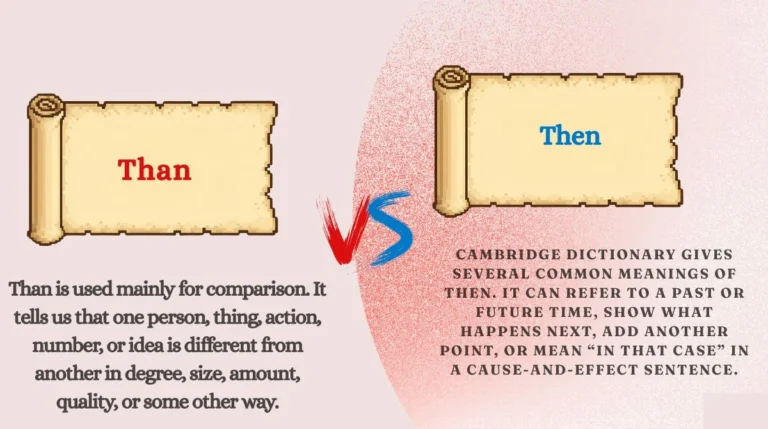
“Than” and “then” are two small English words that cause a surprisingly large number of mistakes. They look almost the same, sound somewhat similar in … Read more

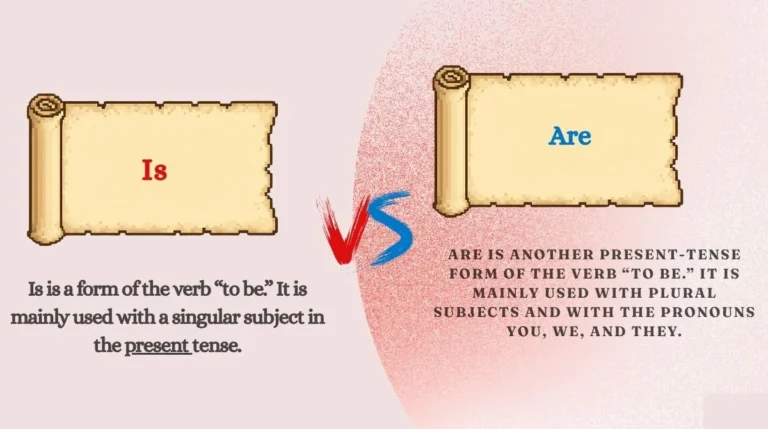
Choosing between is and are looks easy at first. Both words are forms of the verb “to be,” and both are used all the time … Read more

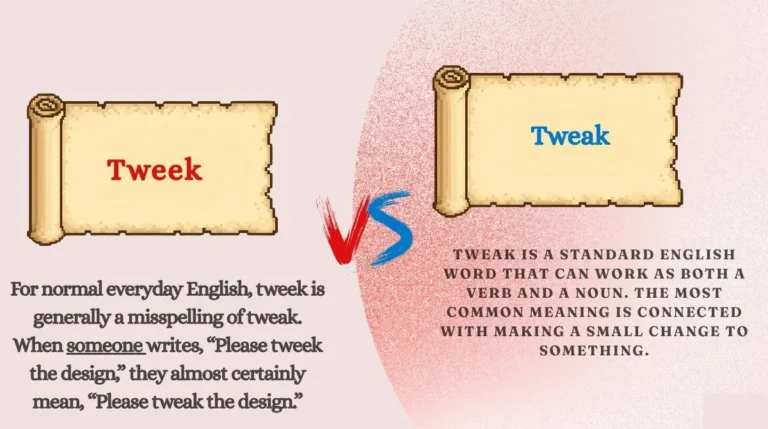
English spelling can be confusing, especially when a word sounds different from the way it is written. Tweek or tweak is a good example. When … Read more

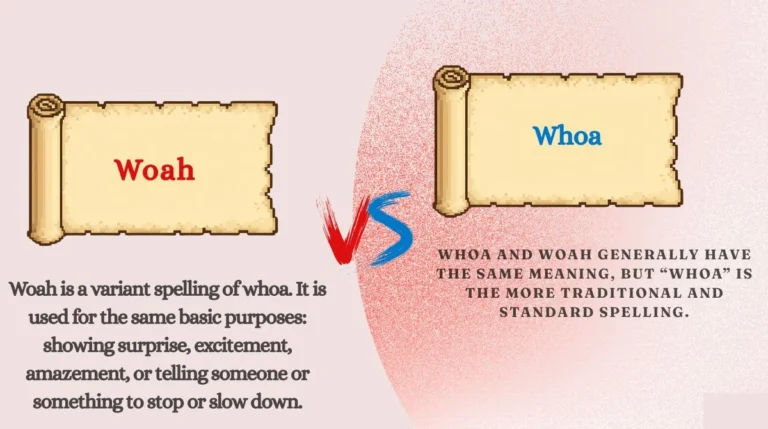
Have you ever wanted to write an expression of surprise and stopped because you were not sure whether to write “Whoa!” or “Woah!”? You are … Read more

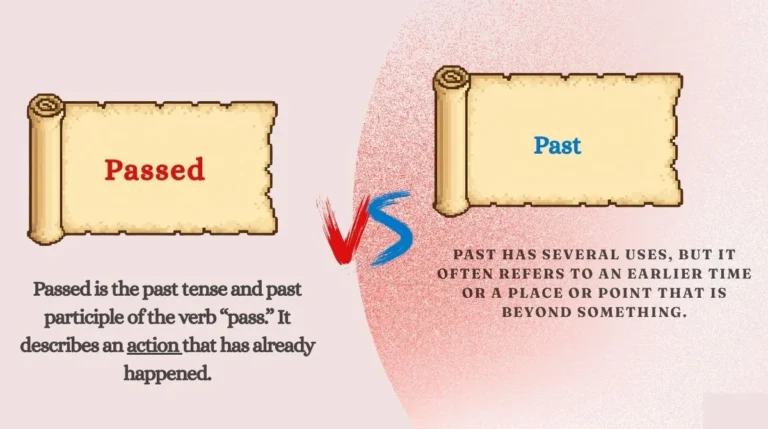
Passed and past are two English words that confuse many learners. They sound almost the same when spoken, but they do not have the same … Read more

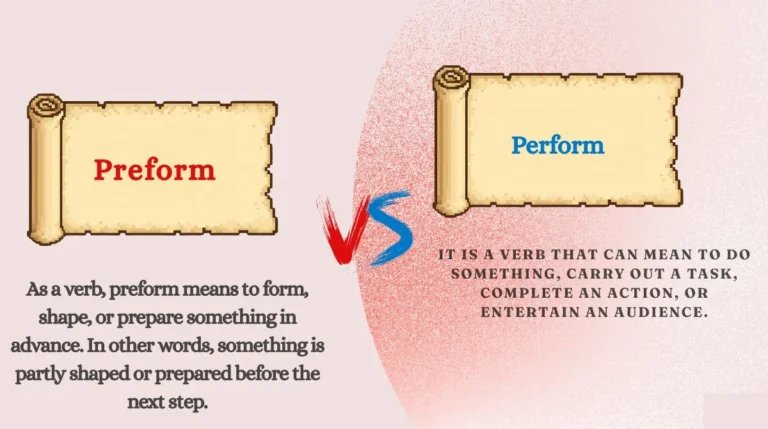
Preform or perform can be confusing because the two words look almost the same. They have the same ending, and only one small part changes: … Read more

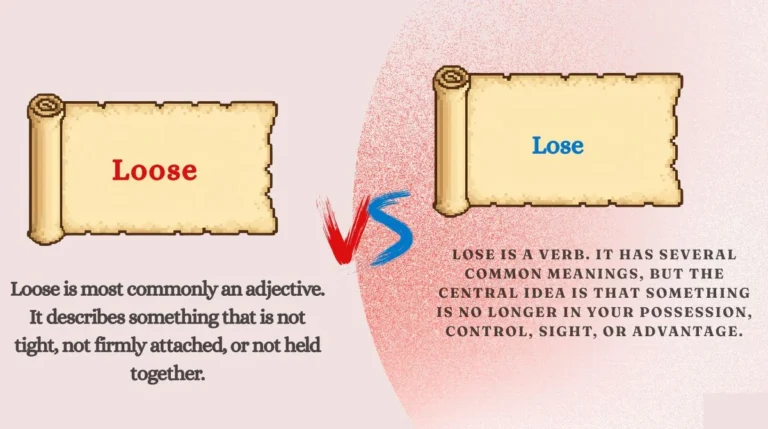
Have you ever typed “loose” when you actually meant “lose”? Or perhaps you have seen someone write “I don’t want to loose my phone” and … Read more

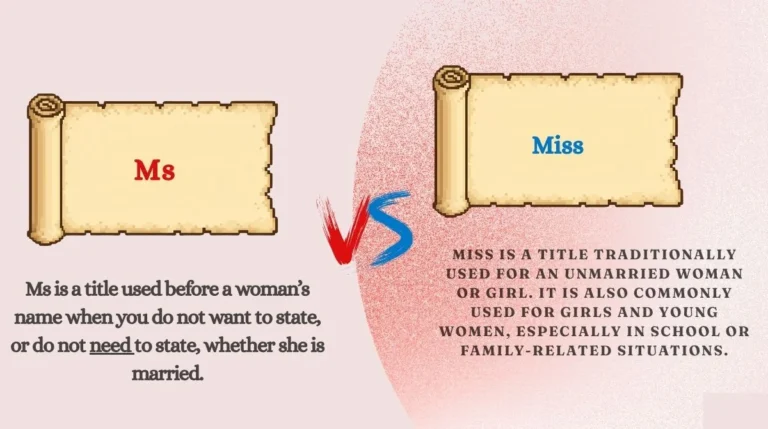
Choosing between Ms or Miss can be confusing, especially for English learners. Both words are used before a woman’s name, and they can look almost … Read more

Have you ever typed “manuel” when you actually meant “manual”? You are not alone. These two words look very similar, and they sound close in … Read more